COMPOUND NPK · 18-18-18
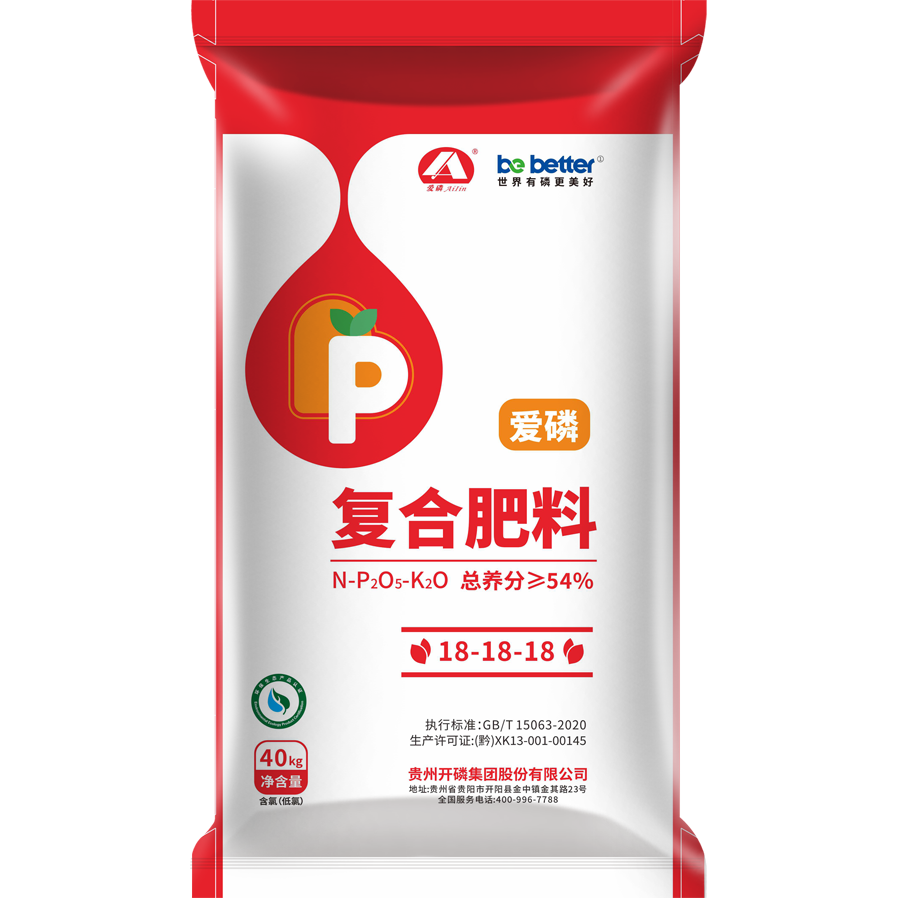
NPK 18-18-18
A 54% total-nutrient compound for basal application, available in sulphate and chloride versions. The sulphate version is for chloride-sensitive crops and quality crops; the chloride version is for rice, corn and sugarcane where cost per hectare dominates.
SPECIFICATION
Key figures
| N-P₂O₅-K₂O | 18-18-18 (54% total) |
|---|---|
| Process | Spray granulation, pipe reactor |
| Water-soluble P | ≥85% of available P₂O₅ |
| Chloride | Sulphate version: low; chloride version: medium |
| Secondary nutrients | Sulphur and magnesium carried in, typically 1–2% |
| Granule | 2–4 mm, high crushing strength |
| Moisture | ≤1.5% |
| Packing | 25 / 50 kg, customisable |
Ranges are typical; the contract and the lot report govern.
WHY IT MATTERS
Why two 18-18-18 bags can behave differently
1. Water-soluble phosphorus
The label gives total P₂O₅, not availability. Fertilizer P is split between a water-soluble and a citrate-soluble fraction. Only the water-soluble part is immediately interceptable by roots; the rest depends on soil acidity or root exudates to release it. Market compound NPK typically carries 60–80% water-soluble P — spray grades made directly from phosphoric acid reach 80–85%.
2. Sulphate or chloride — a crop decision
Chloride-based NPK is cheaper per unit of K₂O and suits tolerant crops. Sulphate-based grades carry no chloride load and supply sulphur, which drives protein and oil synthesis. Get this wrong and the loss is not in the price, it is in the crop.
3. Spray granulation
Phosphoric acid and ammonia react in a pipe reactor before spraying into the granulator, so every granule carries the same ratio. Round, hard granules survive sea freight and mechanical spreading without producing fines.
4. Secondary nutrients come with the raw material
Because the phosphorus comes from phosphoric acid rather than a blended filler, sulphur and magnesium from the rock report in the product at 1–2% — not billed separately.
DEFICIENCY
What deficiency costs
A deficiency is not a small yield loss; it accumulates from establishment.
- Phosphorus: shallow roots, fewer tillers, purple leaf margins, delayed maturity, smaller heads.
- Sulphur: uniform yellowing of young leaves (not old ones), stunted growth, lower protein in grain.
- Potassium: leaf margin scorch, weak stems, lodging, poor fruit colour and sugar.
- Compounded: once P is fixed in soil, a single season cannot recover the loss — yield declines year on year.
Easily confused with
- Old leaves firstmobile nutrients: N, P, K, Mg
- New leaves firstimmobile: S, Fe, Zn, Cu
- Margin scorchK deficiency or salinity
- Uniform yellowing, normal shapecheck sulphur
FIELD DATA
Field comparison against an imported brand
Trial block received our product; control block received an imported brand at the same grade. Same field, same management.
| Site | Crop | Trial (Suitinn) | Control (imported) | Difference |
|---|---|---|---|---|
| Yunnan, Dali | Corn | 758 kg/mu | 672 kg/mu | +12.8% |
| Jiangxi, Ruichang | Rice | 198,024 panicles/mu; 16–19 tillers | 136,197 panicles; 11–12 tillers | +45.39% |
| Hunan, Changsha | Rice | Greener, more upright leaves, more tillers | Paler leaves | Better vigour |
| Fujian, Longyan | Rice | Greener leaves, almost no algae | Heavy algae on water | Better vigour |
| Guizhou, Bijie | Cucumber | 250 kg/mu | 210 kg/mu | +19.05% |
Trials carried out in China by our partner plant; results vary with soil, climate and management.
APPLICATION
Rates and timing
| Crop | Stage | Rate | Method |
|---|---|---|---|
| Rice | Basal / tillering | 250–350 kg/ha basal | Broadcast into puddled soil |
| Corn | Basal / V6-V8 | 250–350 kg/ha | Band or hill placement, away from seed |
| Vegetables | Basal | 450–750 kg/ha | Broadcast before ploughing or band at ridging |
| Fruit trees | Autumn basal / pre-sizing | 0.5–1.5 kg/tree | Ring trench, cover and irrigate |
Rates depend on soil test and target yield. Run a small comparison block before committing a whole farm.
FAQ
Common questions
Sulphate or chloride?
Check chloride sensitivity: rice, corn, sugarcane and oil palm accept chloride; tobacco, potato, grape, citrus, cucurbits and most vegetables should use sulphate.
Can it be mixed with urea or manure?
Yes for basal use. Avoid mixing with alkaline materials such as lime or wood ash at the same time, which drives ammonia loss.
Why does granule colour vary between lots?
Colour comes from the raw phosphate and the coating; it is not an indicator of analysis. Judge by the lot report, not the colour.
What does 85% water-soluble P mean?
85% of the available phosphorus dissolves in water and can be taken up in the current season — the difference shows most in cold weather and at establishment.
Need this grade for your market?
Send the crop, the grade and the destination port. We reply within one working day.
Request a quote